
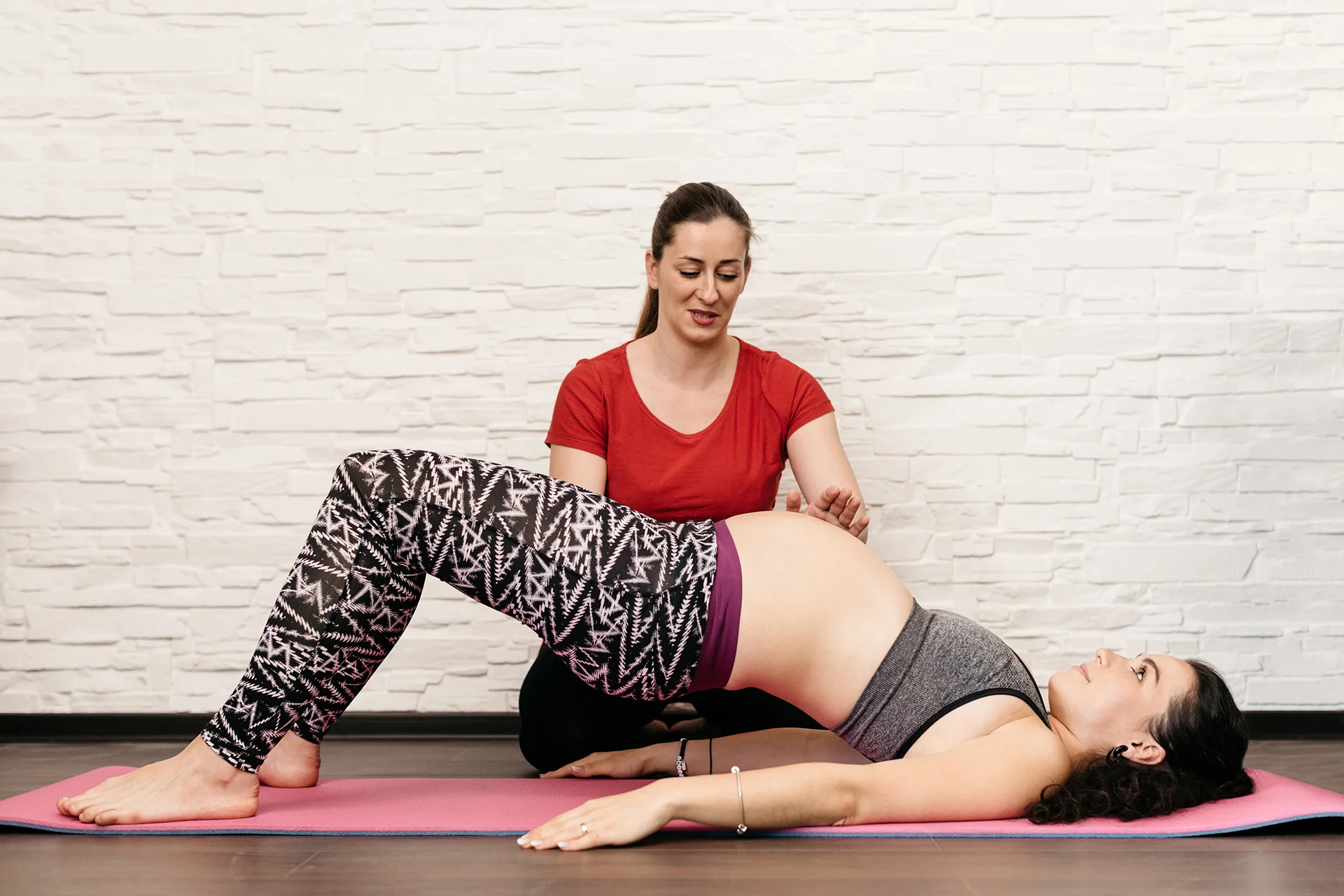
Pilates During and After Pregnancy: A Physiotherapist’s Guide
Pregnancy and the postnatal period are two of the most common times women ask us about Pilates — and understandably so. Your body is changing rapidly, your core and pelvic floor are under new demands, and generic online advice rarely accounts for your specific stage,
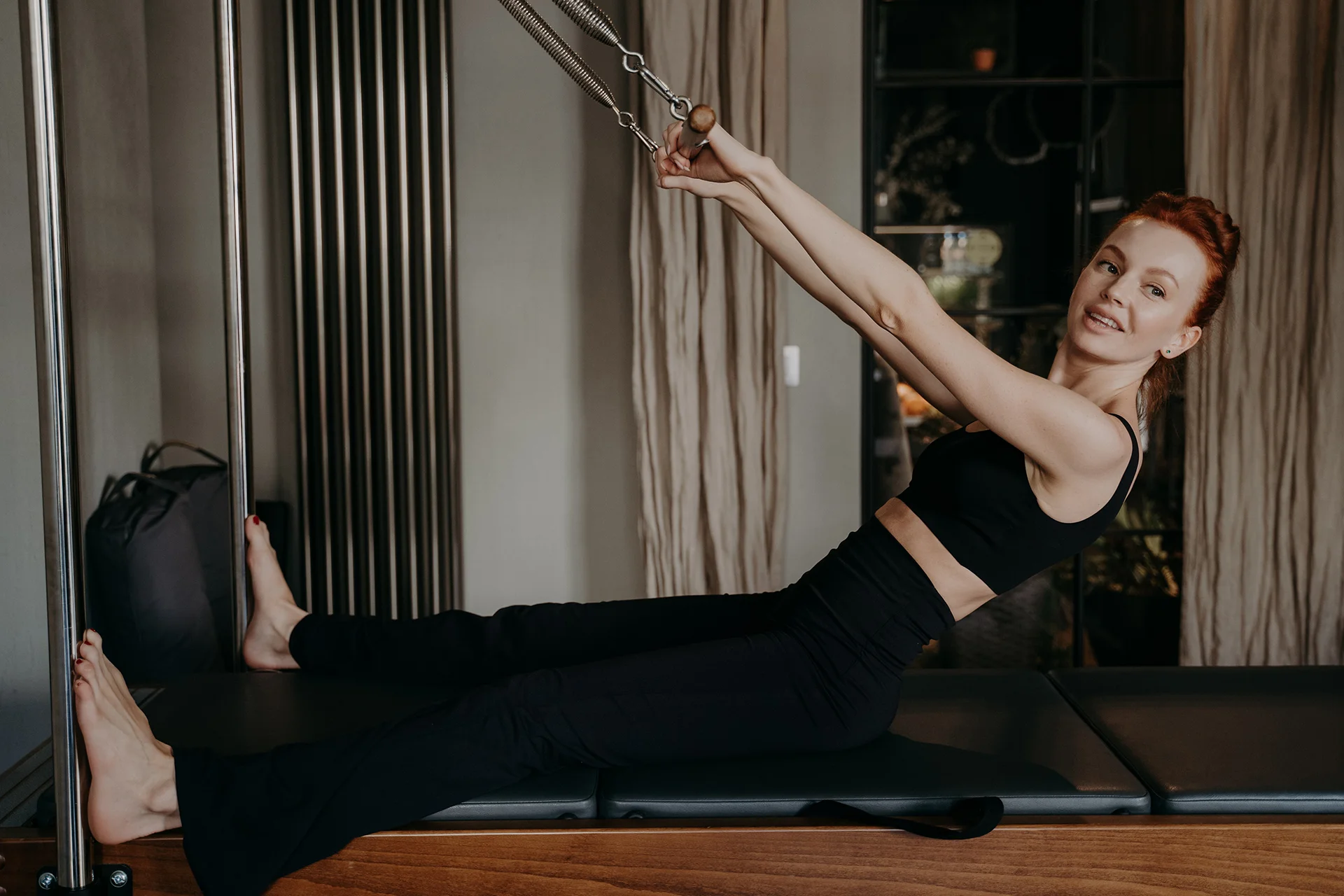
Pilates for Beginners in Handforth & Wilmslow: What to Expect From Your First Class
If you’ve never done a Pilates class before, the hardest part is often just walking through the door. What if everyone else is more experienced? What if you can’t keep up? What if it makes an old niggle worse? These are the most common worries
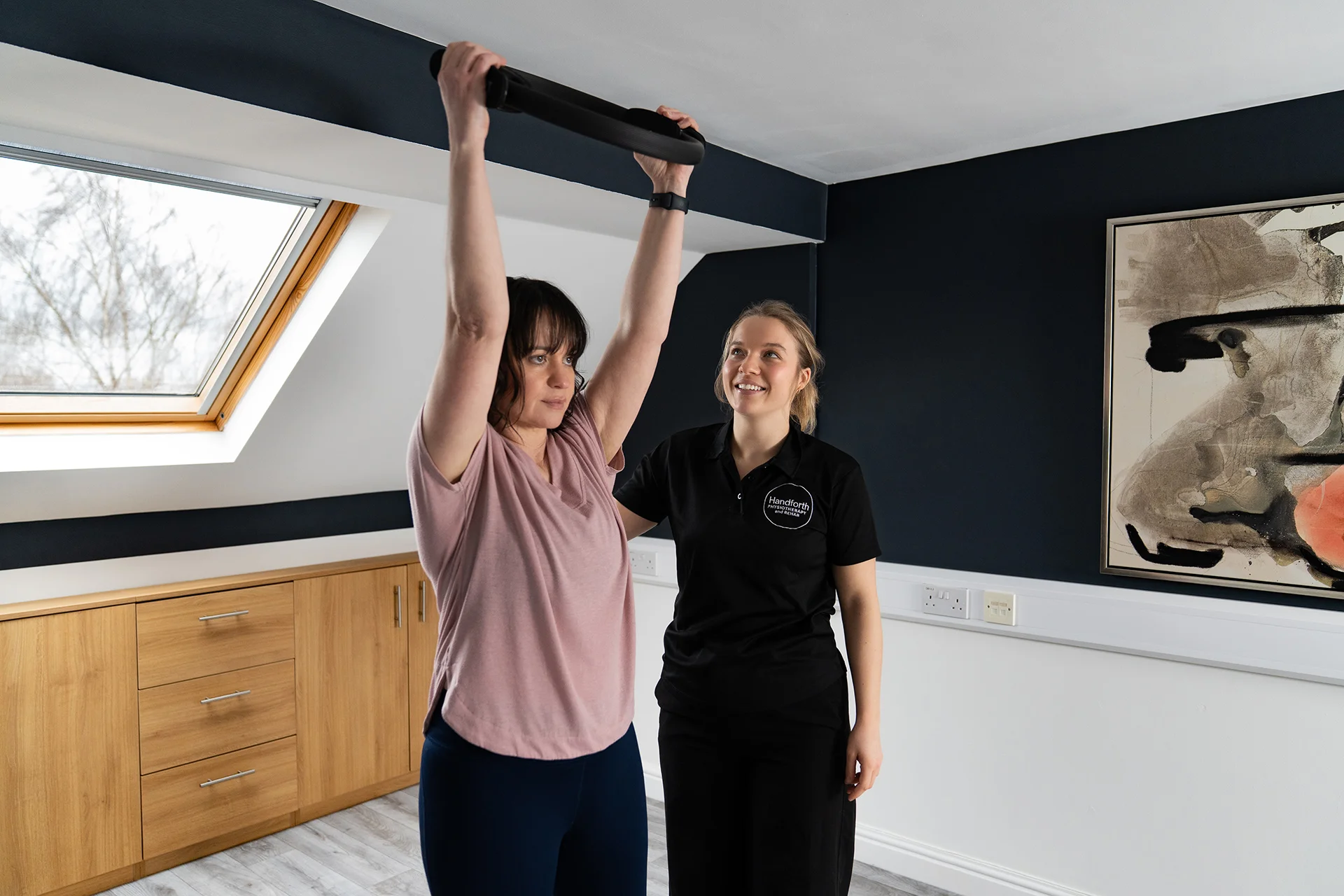
Returning to Exercise After Surgery: Why Physio-Led Pilates Is the Safest First Step
Whether it’s a hip or knee replacement, a C-section, abdominal surgery, or a spinal procedure, one question comes up in almost every post-op consultation: “when can I start exercising again, and what’s actually safe?” It’s a fair worry — move too soon or too aggressively
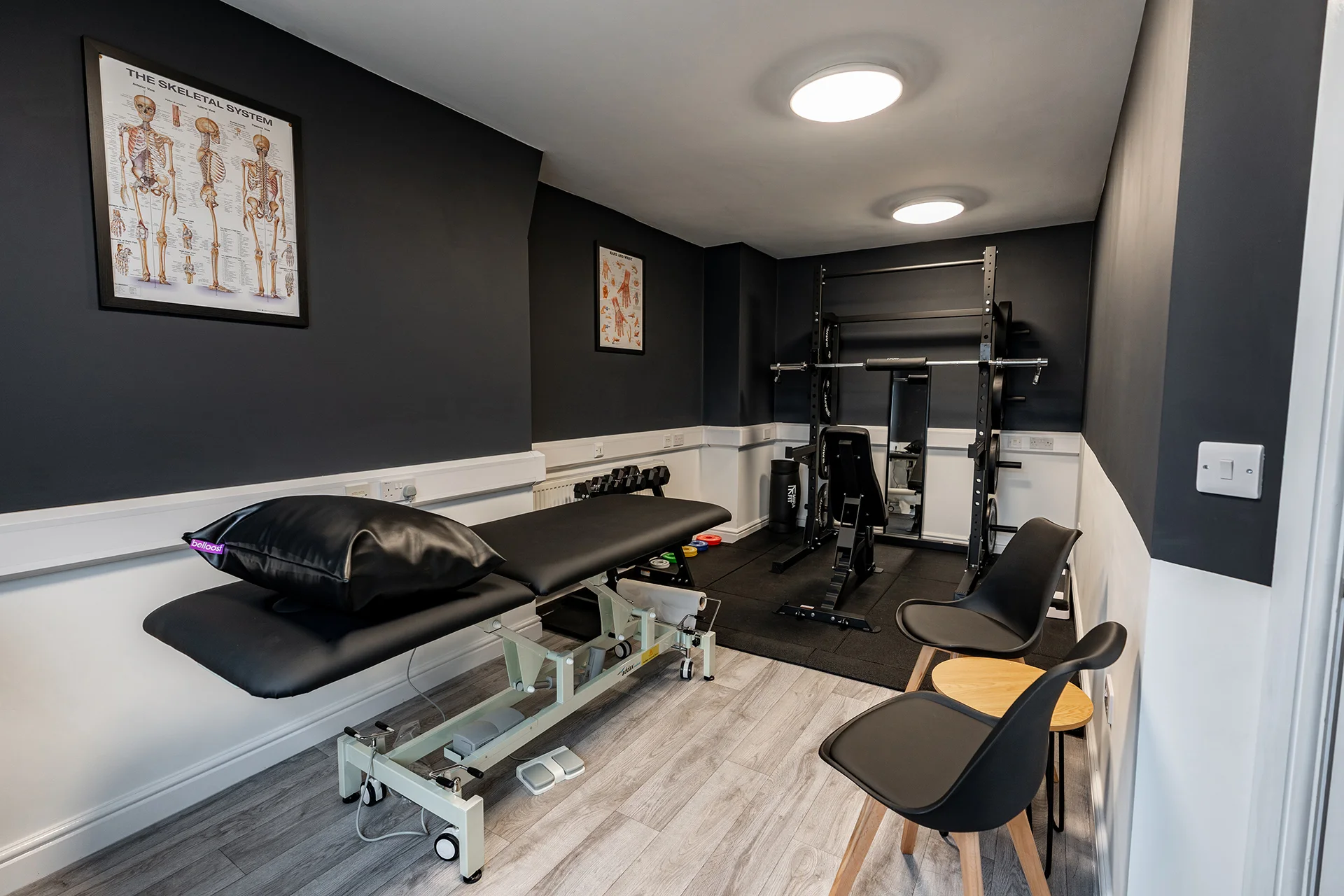
Reformer vs Mat Pilates: Which Is Right for You After Injury or Surgery?
Wilmslow has no shortage of reformer studios, and it’s a genuinely great way to train. But if you’ve searched “reformer vs mat Pilates” while recovering from an injury, a joint replacement, or abdominal surgery, the question you’re really asking is: which one is safe for
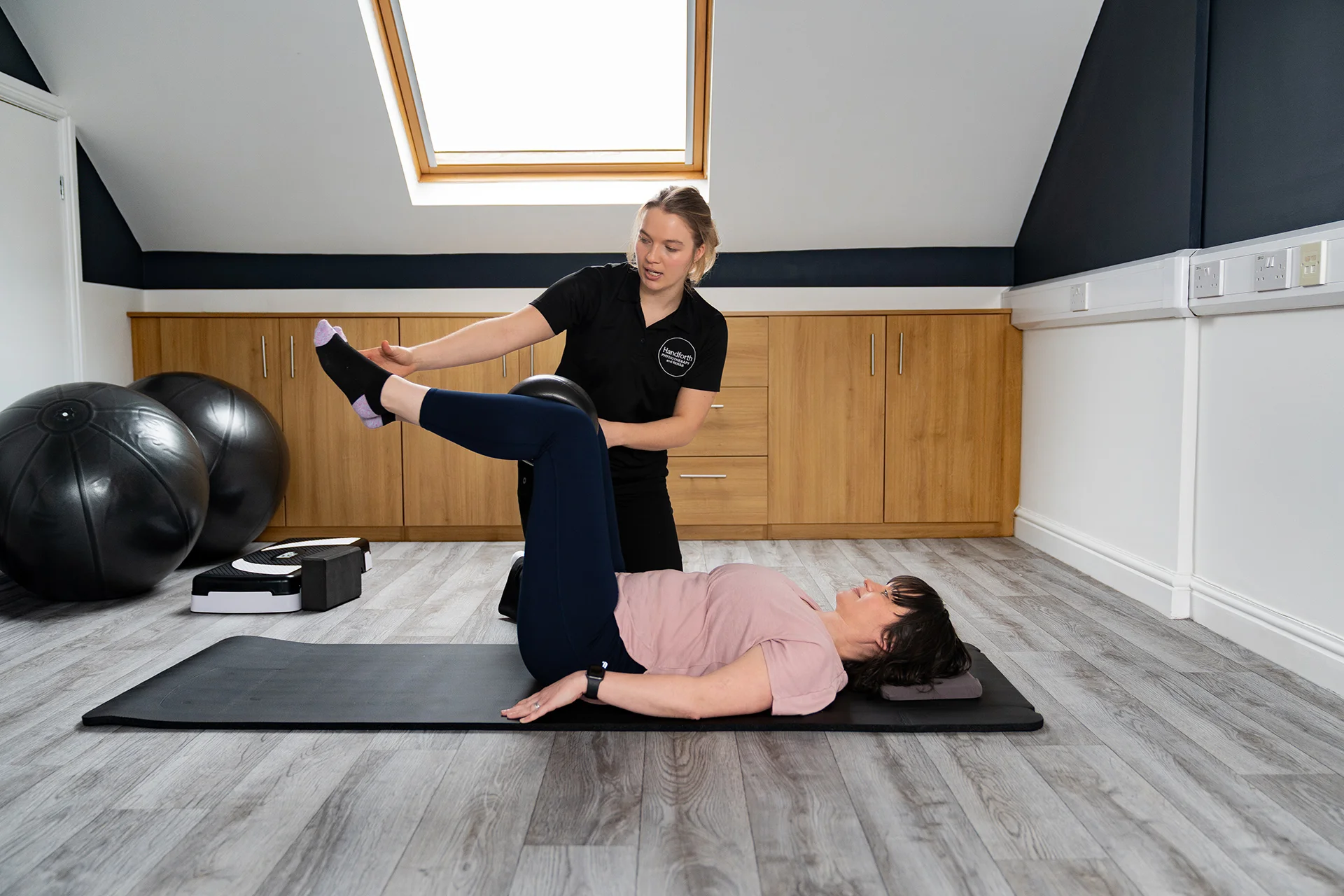
Is Pilates Good for Back Pain? What a Physiotherapist Wants You to Know
If you’ve been searching “is Pilates good for back pain,” you’ve probably had two very different answers already: friends who swear by it, and a nagging worry that the wrong movement in a class could make things worse. Both reactions are reasonable — and the
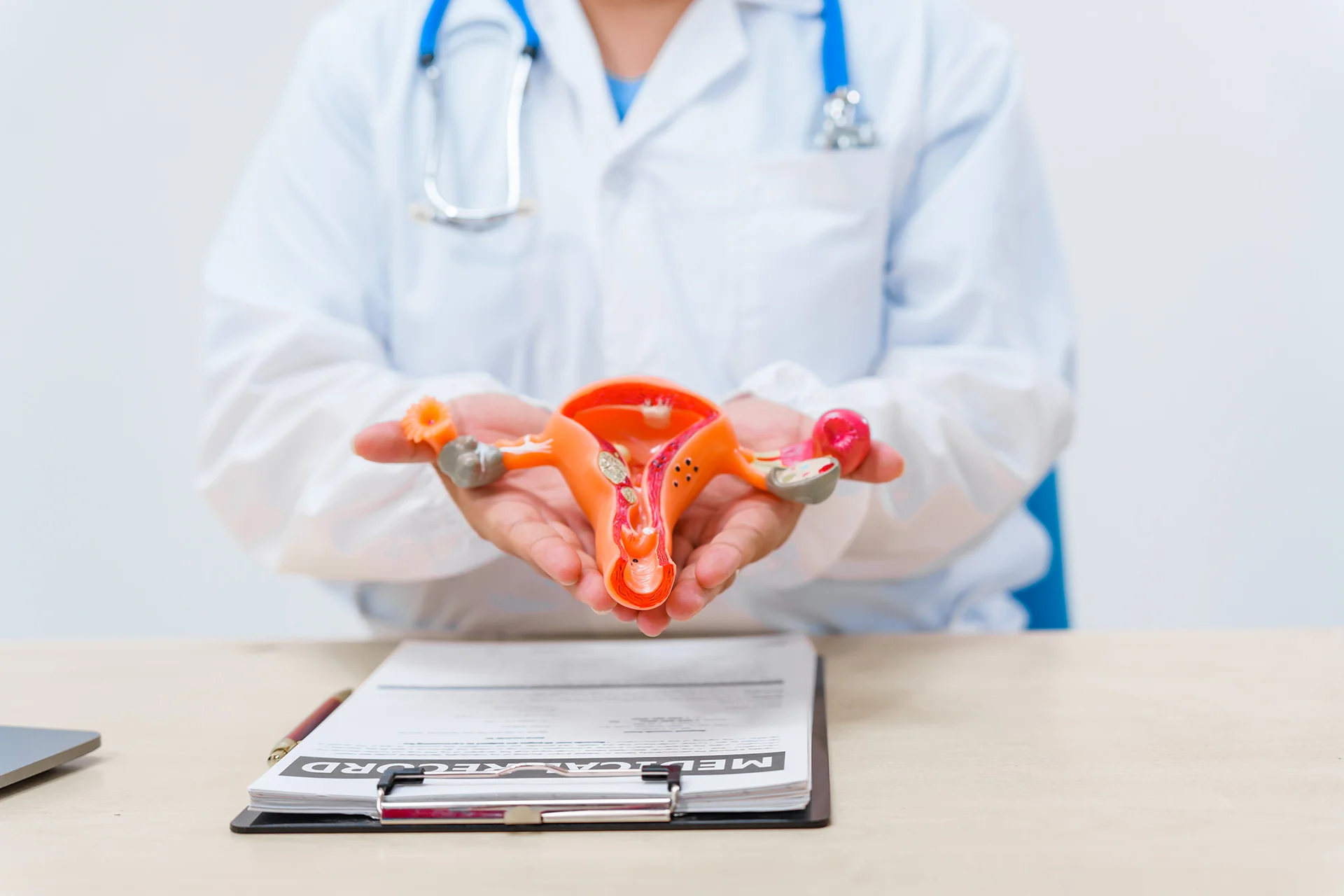
Pelvic Organ Prolapse: Symptoms, Causes and Non-Surgical Treatment Options
A feeling of heaviness or “something coming down.” A visible or palpable bulge. Discomfort that’s worse by the end of the day or after standing for a long period. These are the most common ways women describe pelvic organ prolapse — and it’s a condition
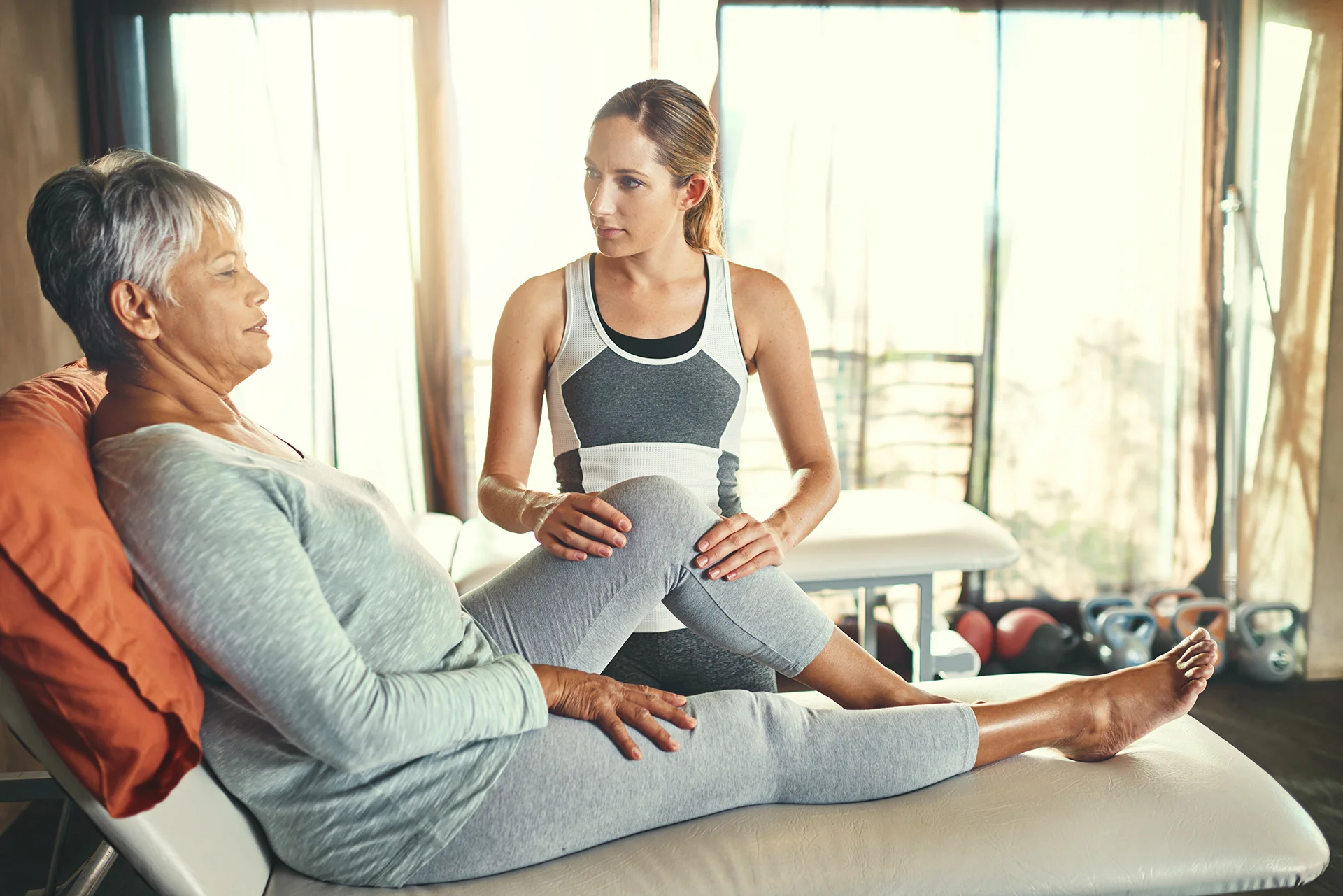
Menopause and Your Pelvic Floor: What’s Normal, What Isn’t, and How Physiotherapy Helps
Hot flushes and mood changes tend to dominate the conversation about menopause, but for many women, some of the most disruptive symptoms happen lower down — new or worsening bladder leaks, urgency, vaginal dryness or discomfort, and pelvic or lower back pain. These changes are
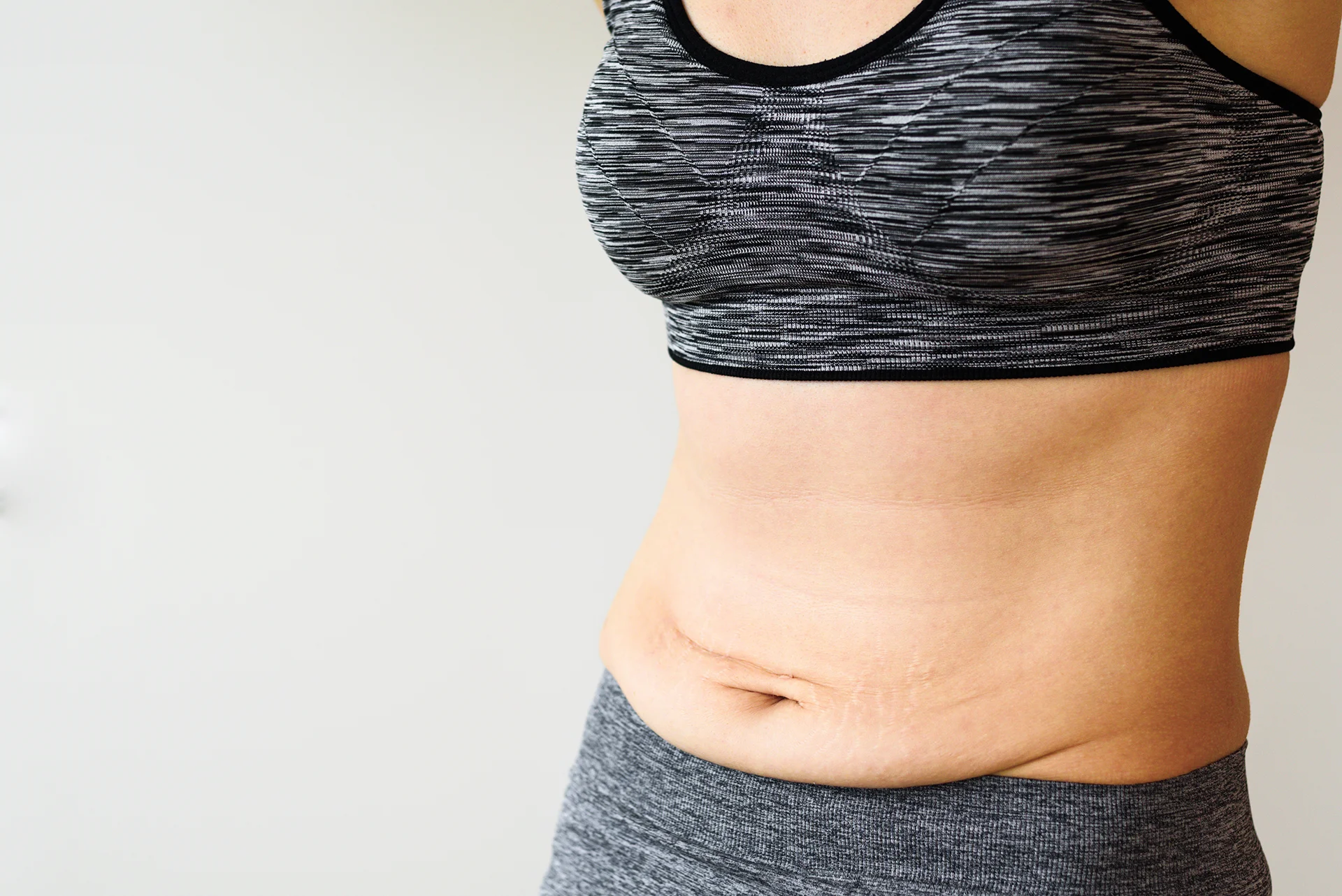
Diastasis Recti (Abdominal Separation): How to Check and What to Do About It
If you’re months or even years postpartum and still have a visible “pooch” or doming down the middle of your stomach that doesn’t respond to normal core exercise, you may be dealing with diastasis recti — abdominal separation. It’s extremely common in pregnancy, and while

The Postnatal Check: What It Is and Why Every New Mum Should Have One
In the UK, the standard postnatal care pathway is a single 6–8 week GP check, which is often brief and focused primarily on general recovery rather than a detailed assessment of your pelvic floor, abdominal muscles, and readiness to return to exercise. A dedicated postnatal

Bladder Leaking When You Sneeze or Run? Why It’s Common — But Not Normal
A small leak when you sneeze, laugh, cough, or jump on a trampoline with your kids. It’s one of the most common things women quietly deal with — and one of the most common things we hear described as “just normal now, after having kids”
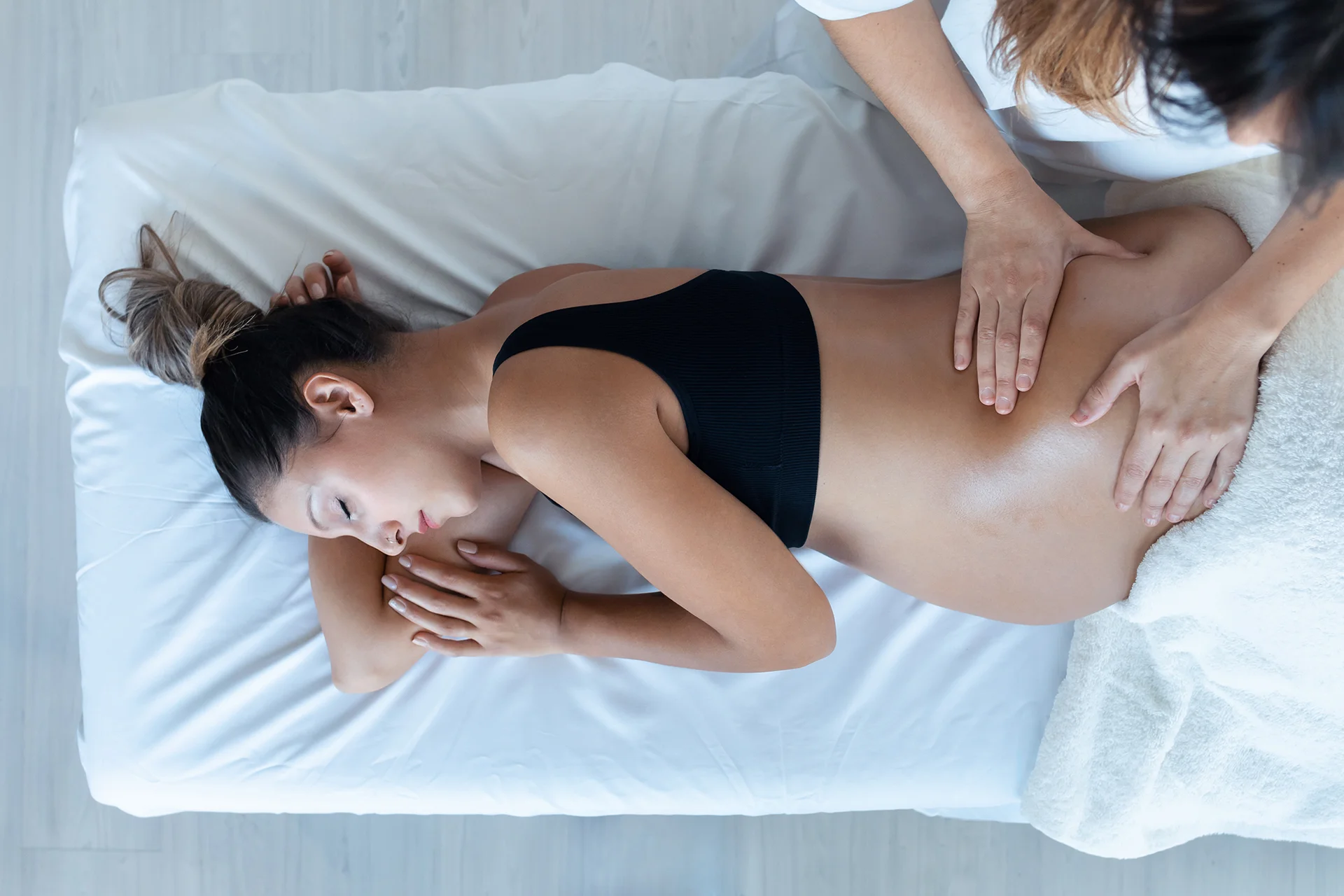
Pregnancy Massage vs Regular Massage: Why Training Matters More Than You’d Think
It’s a fair question: if massage is massage, why not just book your usual therapist and ask them to “go easy”? The answer comes down to three specific things that change during pregnancy — positioning, pressure and technique, and clinical awareness — and why all
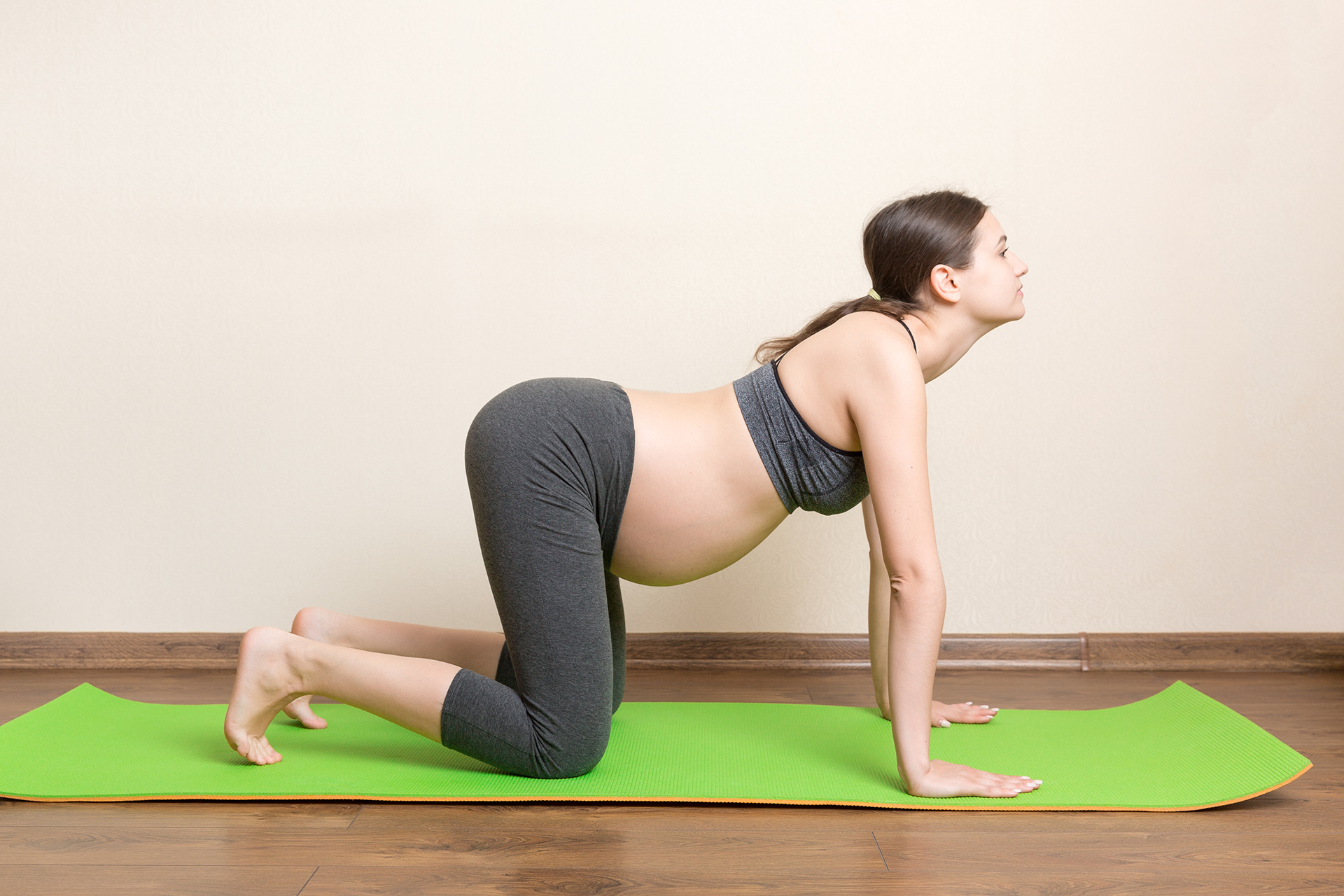
Best Positions for Third Trimester Back Pain: A Physiotherapist’s Guide
By the third trimester, the combination of extra weight, a shifted centre of gravity, and loosened pelvic ligaments means back pain becomes one of the most common complaints we hear — often worst at night, when finding a comfortable sleeping position feels almost impossible. Here’s
8 Benefits of Pregnancy Massage, Explained by a Physiotherapist
Pregnancy massage is often talked about as a nice-to-have treat rather than a genuinely useful part of managing pregnancy. In our clinic, we see it differently — used well, it addresses specific, common pregnancy complaints in a targeted way. Here’s what it actually does. 1.
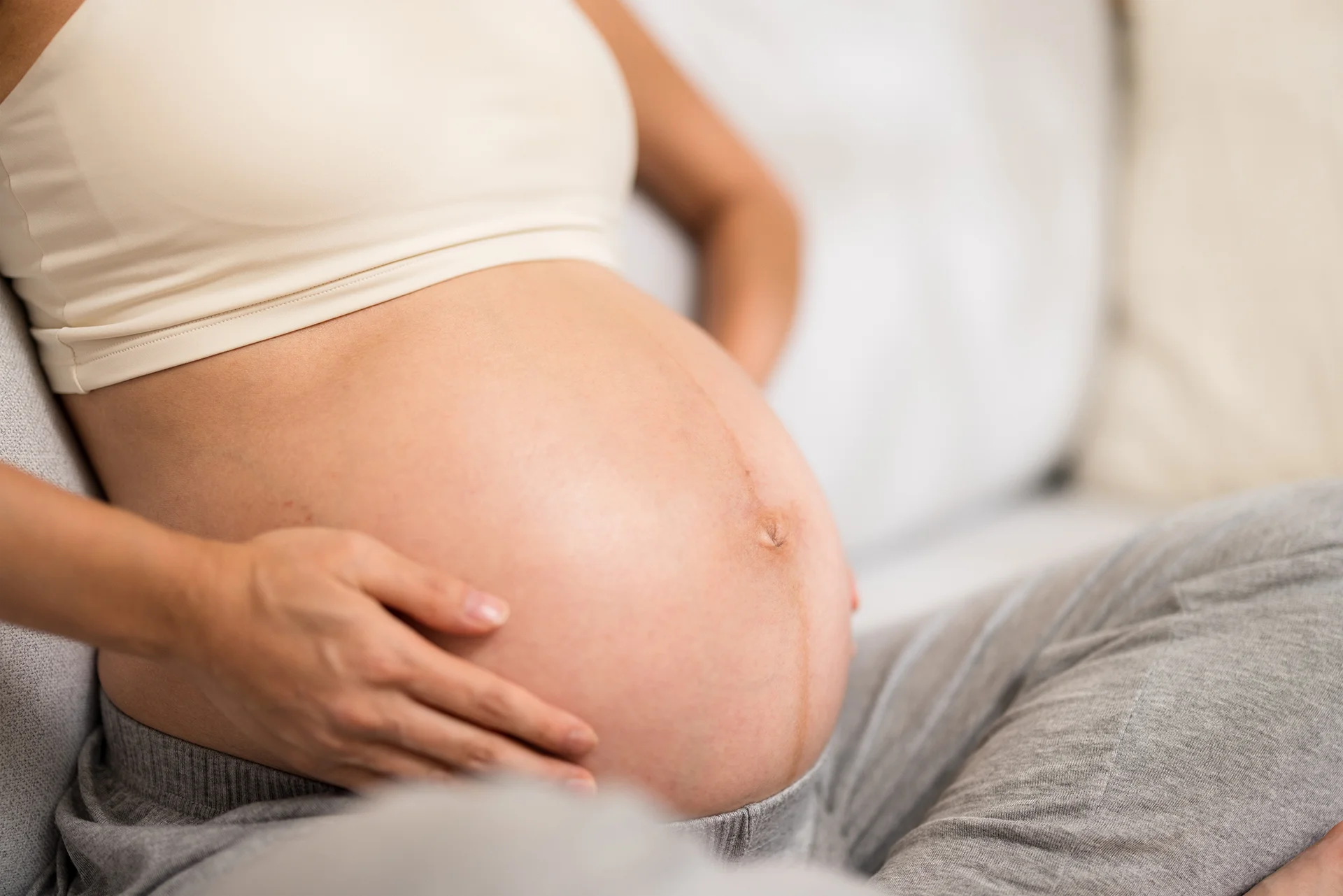
Is Pregnancy Massage Safe in the First Trimester? What You Need to Know
If you’ve just found out you’re pregnant and are dealing with early fatigue, nausea, or tension, it’s natural to wonder whether a massage is safe — and to get conflicting answers depending on who you ask. Here’s a clear, clinically grounded explanation. The General Guidance
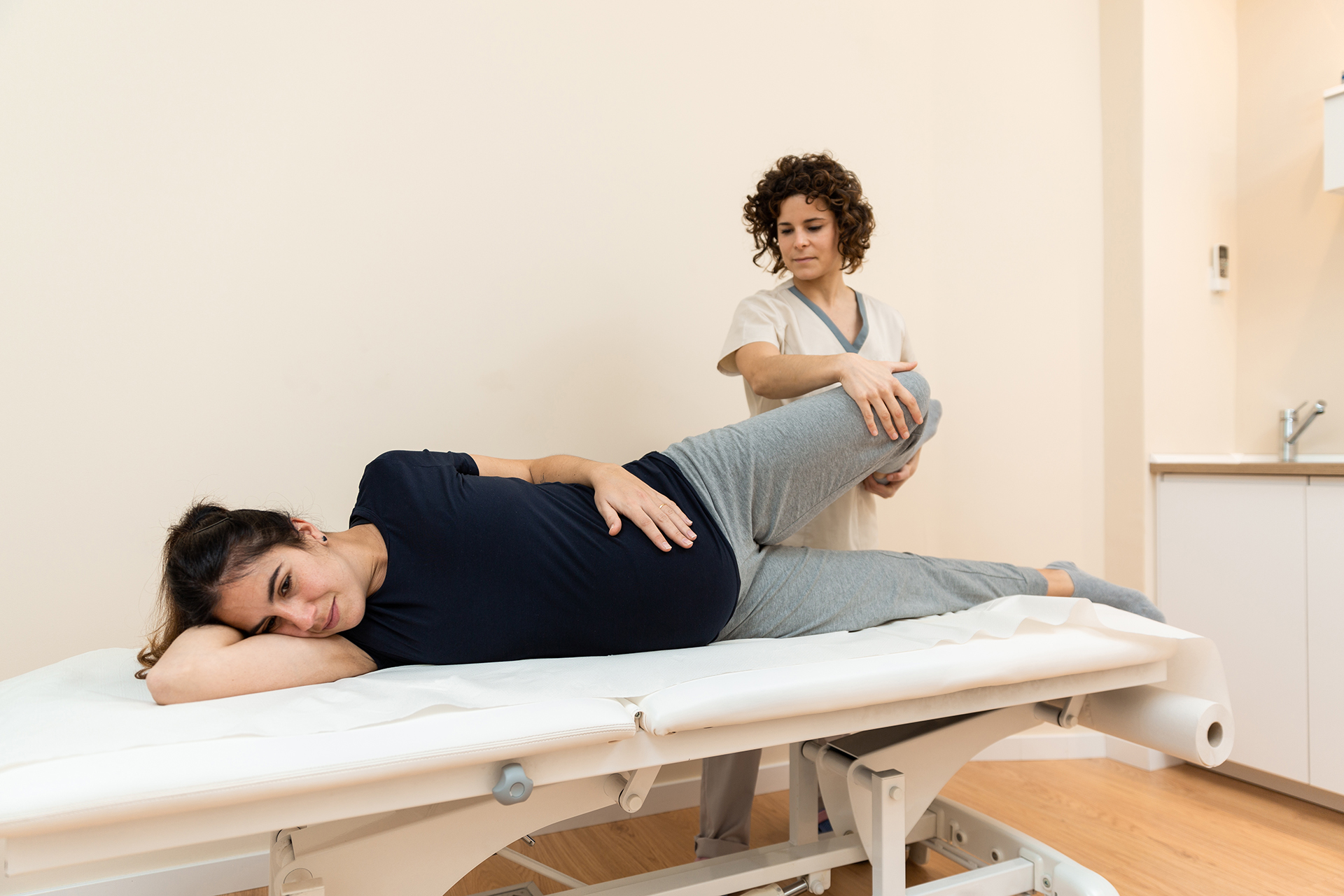
Pelvic Girdle Pain (SPD) in Pregnancy: How Massage and Physiotherapy Can Help
Pelvic girdle pain (PGP), sometimes called symphysis pubis dysfunction (SPD), affects a significant number of pregnant women — for some it’s a mild ache, for others it’s severe enough to affect walking, turning over in bed, or getting in and out of the car. If